
SEARCH WHAT YOU WANT

Shear Stud
Welding Anchor Stud ISO13918
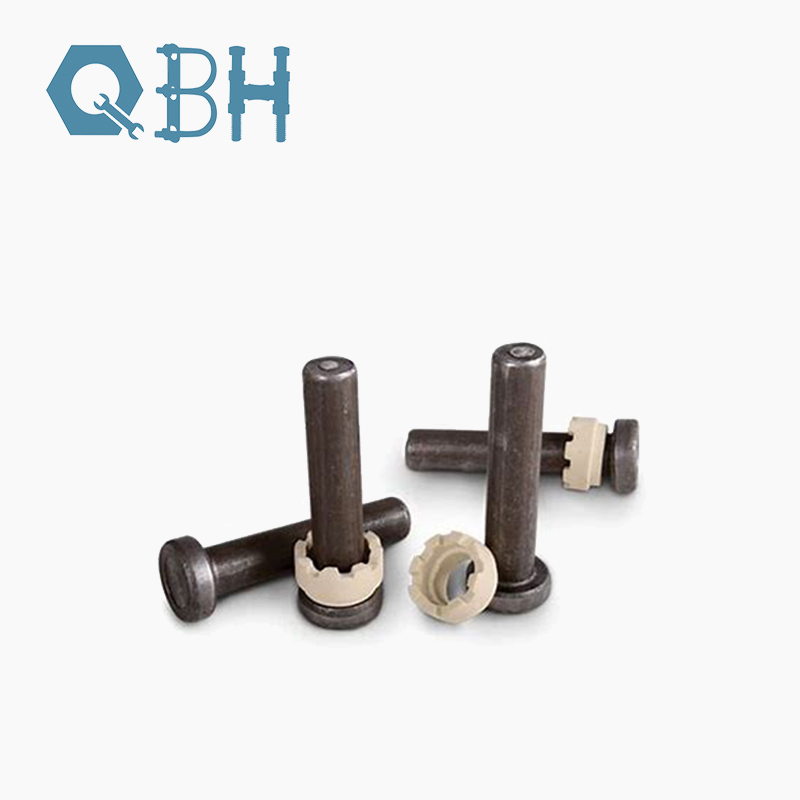
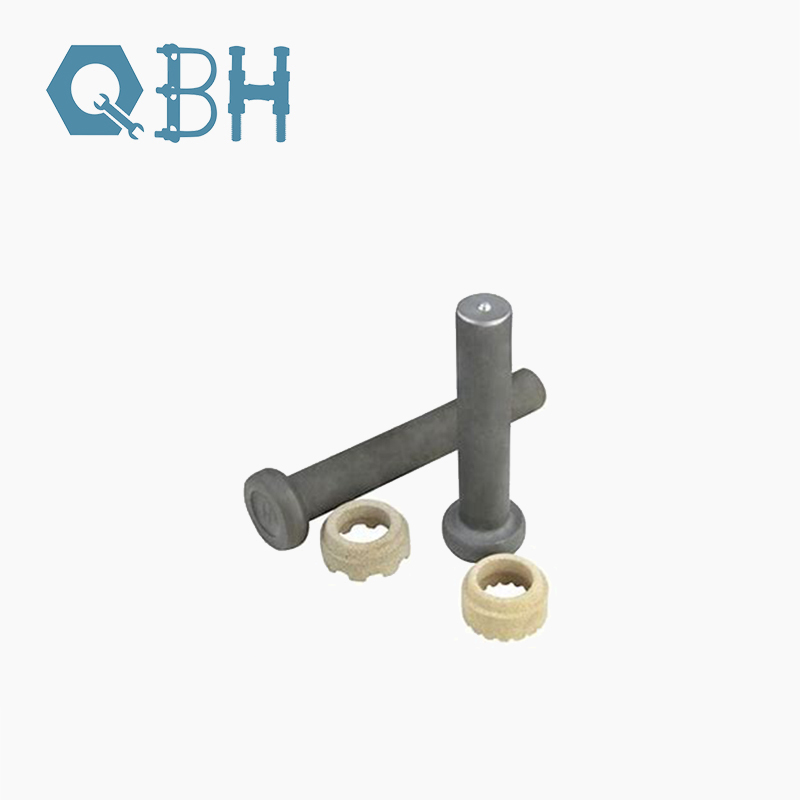
Welding Anchor Stud ISO13918 are used in stud welding to secure steel framed buildings to create a shear connection between the steel and the concrete. We supply and fix all available sizes of Welding Anchor Stud ISO13918 for through deck and straight to steel welding. Welding Stud Connector Aws D1.1 are designed to tie the concrete to the steel beams and to resist shear loadings between the concrete slab and steel beam in composite construction.
Welding Anchor Stud ISO13918 are used in stud welding to secure steel framed buildings to create a shear connection between the steel and the concrete. We supply and fix all available sizes of Welding Anchor Stud ISO13918 for through deck and straight to steel welding. Welding Stud Connector Aws D1.1 are designed to tie the concrete to the steel beams and to resist shear loadings between the concrete slab and steel beam in composite construction.
Previous: Steel Structure Wedge Anchor
Next: ISO13918 Welding Stud
Product Details
Product Introduction
Headed shear connector studs manufactured to ISO 13918 and AWS D1.1/D1.1M for drawn‑arc stud welding in composite steel‑concrete frames. The studs — frequently called welding anchor studs or shear studs — are welded through the profiled metal deck or directly to the steel beam flange, creating a mechanical shear connection between the structural steel and the cast‑in‑place concrete slab. This connection eliminates slip at the steel‑concrete interface and enables full composite beam behaviour.
Material & Mechanical Properties
Fabricated from weldable low‑carbon steel to chemistry limits that ensure a stable arc and full‑penetration weld. After welding, the fusion zone meets the tensile and bend‑test requirements of the applicable structural welding code. The shank cross‑section and weld combine to develop a shear capacity that forces any overload into a ductile failure mode away from the weld itself.
Dimensions & Identification
-
Nominal diameter range: 10 mm – 25 mm (metric) and equivalent imperial sizes
-
Length before welding: 40 mm – 300 mm
-
Head form: cheese head per ISO 13918
-
Marking: manufacturer’s identification glyph embossed on the head for full traceability
Ceramic Ferrules
Each stud is supplied together with a cordierite ceramic ferrule. The ferrule contains and shields the molten pool during the drawn‑arc cycle, stabilises the fillet geometry, and survives the extreme thermal shock of the welding process without melting or fracturing.
Installation & Weld Verification
Installation is performed with a drawn‑arc stud welding gun after the steel deck is laid over the beam. The gun lifts the stud, draws an arc that melts the stud tip and a local area of the beam flange, then plunges the stud into the weld pool — burning through the deck without a pre‑drilled hole.
Weld integrity is verified visually (360° flash, fillet size) and by a mechanical bend test: striking the side of the welded stud with an iron mallet bends it to a prescribed angle. A properly welded stud remains attached and deforms without fracturing at the weld interface. A stud that breaks off under this shear‑bending test indicates an unsound weld and must be replaced.
Application Suitability
Composite floor and roof decks in multistorey steel‑framed buildings, bridge decks, industrial mezzanines, wind turbine tower foundations, and any steel‑concrete hybrid structure where the structural engineer specifies a shear connection to resist longitudinal shear. The stud quantity, diameter, and height are determined per beam by the structural design.
Technical Parameters
| Place of Origin | CHINA |
| Standard | Welding Anchor Stud ISO13918 |
| HS CODE | 7318159001 |
| Brand Name | QBH |
| Certification | ISO13918 |
| Material | 35K, 40Cr, 35CrMo, SCM435, etc. |
| Size | M3-M64 |
| Production Process | Cold forging≤300mm, Hot forging≤1000mm |
| Class | 4.8/ 6.8/ 8.8/ 10.9/ 12.9 |
| Delivery Time | Within 30 Days |
Product Introduction
Headed shear connector studs manufactured to ISO 13918 and AWS D1.1/D1.1M for drawn‑arc stud welding in composite steel‑concrete frames. The studs — frequently called welding anchor studs or shear studs — are welded through the profiled metal deck or directly to the steel beam flange, creating a mechanical shear connection between the structural steel and the cast‑in‑place concrete slab. This connection eliminates slip at the steel‑concrete interface and enables full composite beam behaviour.
Material & Mechanical Properties
Fabricated from weldable low‑carbon steel to chemistry limits that ensure a stable arc and full‑penetration weld. After welding, the fusion zone meets the tensile and bend‑test requirements of the applicable structural welding code. The shank cross‑section and weld combine to develop a shear capacity that forces any overload into a ductile failure mode away from the weld itself.
Dimensions & Identification
-
Nominal diameter range: 10 mm – 25 mm (metric) and equivalent imperial sizes
-
Length before welding: 40 mm – 300 mm
-
Head form: cheese head per ISO 13918
-
Marking: manufacturer’s identification glyph embossed on the head for full traceability
Ceramic Ferrules
Each stud is supplied together with a cordierite ceramic ferrule. The ferrule contains and shields the molten pool during the drawn‑arc cycle, stabilises the fillet geometry, and survives the extreme thermal shock of the welding process without melting or fracturing.
Installation & Weld Verification
Installation is performed with a drawn‑arc stud welding gun after the steel deck is laid over the beam. The gun lifts the stud, draws an arc that melts the stud tip and a local area of the beam flange, then plunges the stud into the weld pool — burning through the deck without a pre‑drilled hole.
Weld integrity is verified visually (360° flash, fillet size) and by a mechanical bend test: striking the side of the welded stud with an iron mallet bends it to a prescribed angle. A properly welded stud remains attached and deforms without fracturing at the weld interface. A stud that breaks off under this shear‑bending test indicates an unsound weld and must be replaced.
Application Suitability
Composite floor and roof decks in multistorey steel‑framed buildings, bridge decks, industrial mezzanines, wind turbine tower foundations, and any steel‑concrete hybrid structure where the structural engineer specifies a shear connection to resist longitudinal shear. The stud quantity, diameter, and height are determined per beam by the structural design.
Technical Parameters
| Place of Origin | CHINA |
| Standard | Welding Anchor Stud ISO13918 |
| HS CODE | 7318159001 |
| Brand Name | QBH |
| Certification | ISO13918 |
| Material | 35K, 40Cr, 35CrMo, SCM435, etc. |
| Size | M3-M64 |
| Production Process | Cold forging≤300mm, Hot forging≤1000mm |
| Class | 4.8/ 6.8/ 8.8/ 10.9/ 12.9 |
| Delivery Time | Within 30 Days |
FAQ
1. How do you let me trust you.
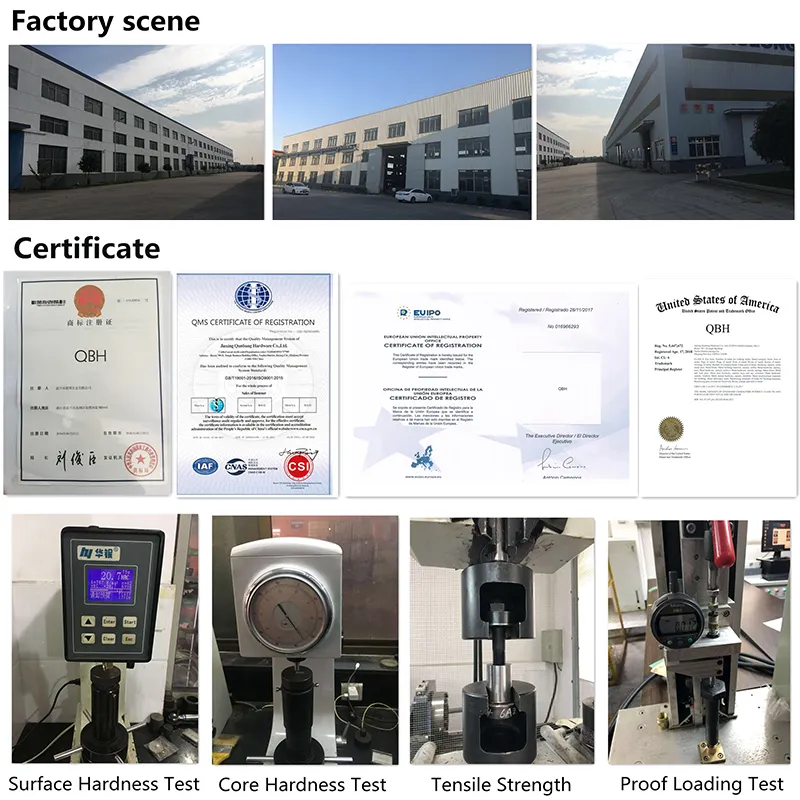
Jiaxing City Qunbang Hardware Co.,ltd hs its own right of import and export,QBH trademark in China,United States,European Union have been registered.At the same time,you can also check the registration information of our company in the China industry and Commerce system.
2. How about your price.
We will be based on different markets,for different quality and quantity,tailor-made prices for customers,in order to achieve win-win goal.
3. How do you control your quality.
Incoming quality contral( IQC)→Process Quality control(PQC)→Output quality control(OQC),and the random samples is sent to TUV for testing.If the customer received the goods and found quality problems,QBH company promises to be responsible for returning money or replenishing the goods
4. Could you provide free samples?
For new customer, We can provide free samples for standard fastener, But the clients will pay the express
charges. For old customer, We will send you free samples and pay express charges by ourself.
5. What is your packing.
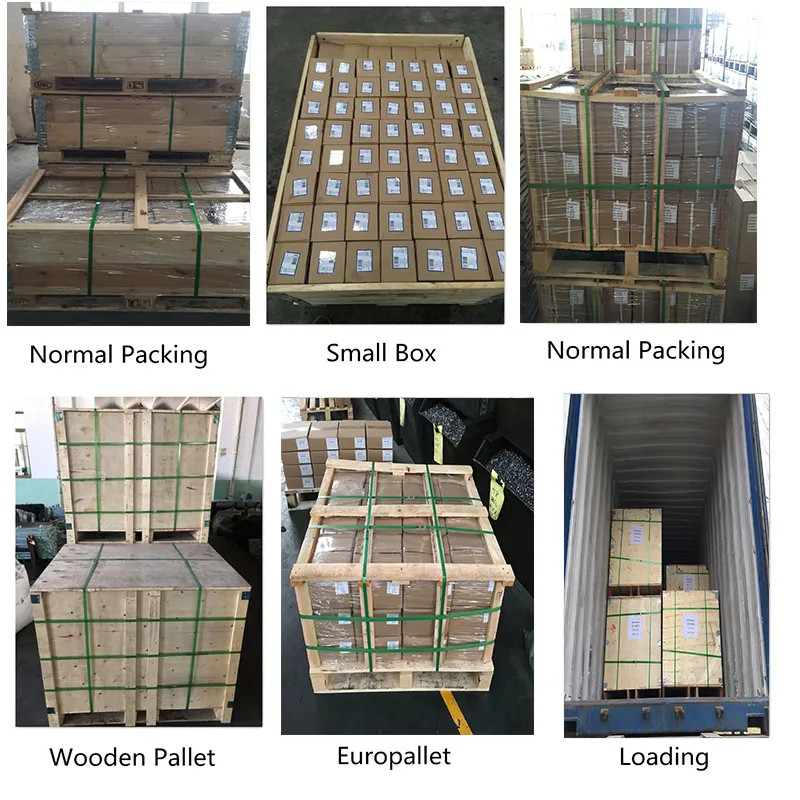
Usually 25KG/carbon,36CTNS on the pallets,or 20-30kg/Bags,then on the pallet,QBH company personalized packagingis also available,like 10PCS/plastic bag or 10pcs/box,it can print some information
such as LOGO and pattern of customers.
6. What is your payment term
Normally,our terms of payment are TT and L/C,if we cooperate for a long time,we can reach the point of mutual trust,and fully support our customers to become bigger and stronger in the local market.Not only in the price concessions,but also in the payment can also be made on credit,Specific credit sales time needs to be negotiated separately.
Related Products
ISO13918 Welding Stud-
ISO13918 Welding Stud
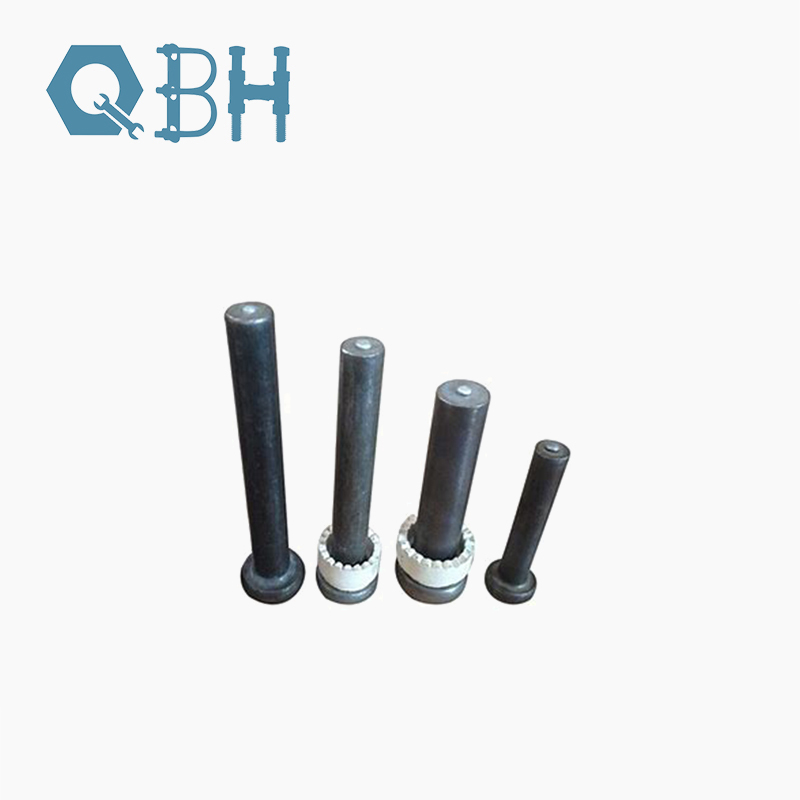
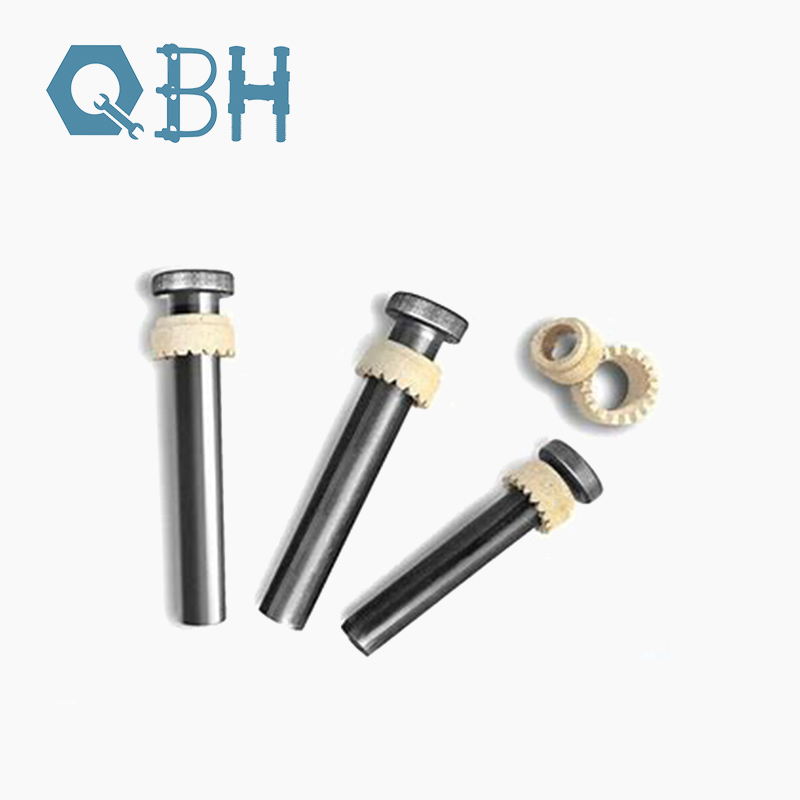
ISO13918 Welding Stud refer to the installation of steel pins or grommets, that extend out of the top flange of a steel support beam. Normally the ISO13918 Welding Stud are welded, with a spot welder, after the metal deck is installed over the suppor...
Shear Stud Welding Nelson Stud-
Shear Stud Welding Nelson Stud
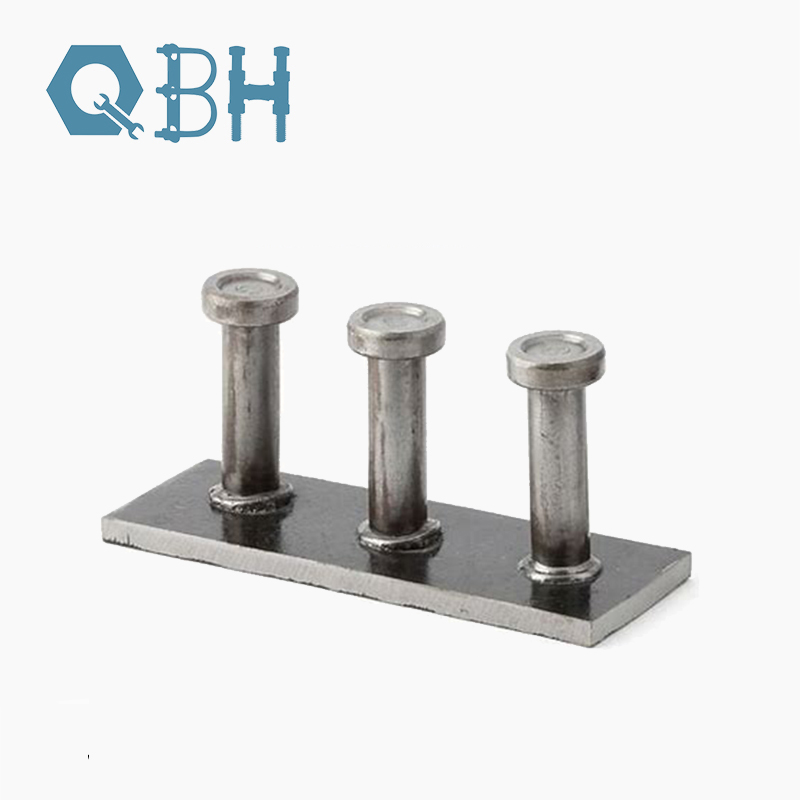
Shear Stud Welding Nelson Stud are used in stud welding to secure steel framed buildings to create a shear connection between the steel and the concrete. We supply and fix all available sizes of Shear Stud Welding Nelson Stud for through deck and str...
Welding Stud Connector Aws D1.1-
Welding Stud Connector Aws D1.1
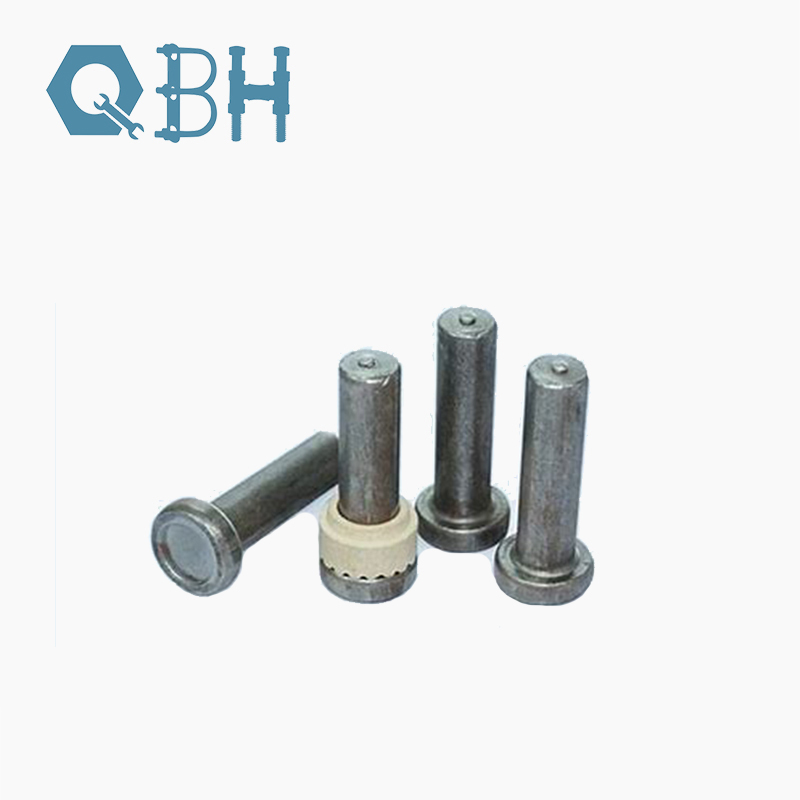
Welding Stud Connector Aws D1.1 are used in stud welding to secure steel framed buildings to create a shear connection between the steel and the concrete. We supply and fix all available sizes of Welding Stud Connector Aws D1.1 for through deck and s...
ISO13918 SD Shear Stud Connectors-
ISO13918 SD Shear Stud Connectors
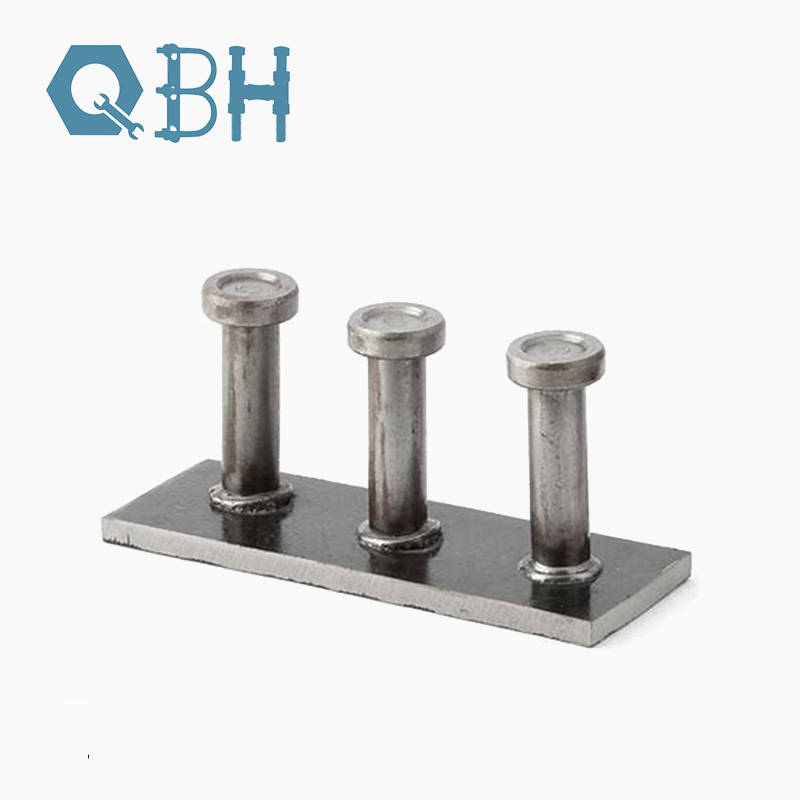
ISO13918 SD Shear Stud Connectors are designed to tie the concrete slab with the steel beams and steel deck. This weld studs shear connectors can resist shear forces and increase shear loading capacity in steel buildings. ISO13918 SD Shear Stud Conne...
ISO13918 - Aws - D1.1/D1.1m - Welding Nail-
ISO13918 - Aws - D1.1/D1.1m - Welding Nail
Headed shear studs manufactured to ISO 13918 and AWS D1.1/D1.1M for through-deck stud welding in composite steel-concrete construction. The studs act as shear connectors, transferring longitudinal shear forces between a concrete slab and a steel beam...
Shear Connector Welding Screw-
Shear Connector Welding Screw
Shear Connector Welding Screw refer to the installation of steel pins or grommets, that extend out of the top flange of a steel support beam. Normally the Shear Connector Welding Screw are welded, with a spot welder, after the metal deck is installed...
GB10433 Welding Shear Stud-
GB10433 Welding Shear Stud
GB10433 Welding Shear Stud refer to the installation of steel pins or grommets, that extend out of the top flange of a steel support beam. Normally the GB10433 Welding Shear Stud are welded, with a spot welder, after the metal deck is installed over ...
Steel Structure Wedge Anchor-
Steel Structure Wedge Anchor
Steel Structure Wedge Anchor are designed to tie the concrete slab with the steel beams and steel deck. This weld studs shear connectors can resist shear forces and increase shear loading capacity in steel buildings. Steel Structure Wedge Anchor Main...
ISO13918 Welding Stud-
ISO13918 Welding Stud
ISO13918 Welding Stud refer to the installation of steel pins or grommets, that extend out of the top flange of a steel support beam. Normally the ISO13918 Welding Stud are welded, with a spot welder, after the metal deck is installed over the suppor...
Shear Stud Welding Nelson Stud-
Shear Stud Welding Nelson Stud
Shear Stud Welding Nelson Stud are used in stud welding to secure steel framed buildings to create a shear connection between the steel and the concrete. We supply and fix all available sizes of Shear Stud Welding Nelson Stud for through deck and str...
Welding Stud Connector Aws D1.1-
Welding Stud Connector Aws D1.1
Welding Stud Connector Aws D1.1 are used in stud welding to secure steel framed buildings to create a shear connection between the steel and the concrete. We supply and fix all available sizes of Welding Stud Connector Aws D1.1 for through deck and s...
ISO13918 SD Shear Stud Connectors-
ISO13918 SD Shear Stud Connectors
ISO13918 SD Shear Stud Connectors are designed to tie the concrete slab with the steel beams and steel deck. This weld studs shear connectors can resist shear forces and increase shear loading capacity in steel buildings. ISO13918 SD Shear Stud Conne...
ISO13918 - Aws - D1.1/D1.1m - Welding Nail-
ISO13918 - Aws - D1.1/D1.1m - Welding Nail
Headed shear studs manufactured to ISO 13918 and AWS D1.1/D1.1M for through-deck stud welding in composite steel-concrete construction. The studs act as shear connectors, transferring longitudinal shear forces between a concrete slab and a steel beam...
Shear Connector Welding Screw-
Shear Connector Welding Screw
Shear Connector Welding Screw refer to the installation of steel pins or grommets, that extend out of the top flange of a steel support beam. Normally the Shear Connector Welding Screw are welded, with a spot welder, after the metal deck is installed...
GB10433 Welding Shear Stud-
GB10433 Welding Shear Stud
GB10433 Welding Shear Stud refer to the installation of steel pins or grommets, that extend out of the top flange of a steel support beam. Normally the GB10433 Welding Shear Stud are welded, with a spot welder, after the metal deck is installed over ...
Steel Structure Wedge Anchor-
Steel Structure Wedge Anchor
Steel Structure Wedge Anchor are designed to tie the concrete slab with the steel beams and steel deck. This weld studs shear connectors can resist shear forces and increase shear loading capacity in steel buildings. Steel Structure Wedge Anchor Main...
Get Your Free Sample Now
Submit this form and our sales representative will contact you soon.
